June 15, 2026
Navigating the complex realities of chronic musculoskeletal pain, joint stiffness, or structural spinal misalignments requires a highly disciplined, analytical approach to biomechanical healthcare. Modern lifestyles—characterized by prolonged sedentary habits, repetitive occupational strains, and high psychological stress—place immense physical burdens on the human frame. As a result, millions of individuals seeking non-invasive, drug-free pain management alternatives turn to professional spinal adjustments to restore physical mobility and enhance the autonomic nervous system function.
However, true physical restoration is never a one-size-fits-all solution; it relies heavily on selecting a clinician whose diagnostic protocols, manual adjustments, and long-term treatment philosophies align precisely with your unique anatomical needs. Entering the expanding healthcare market without an objective vetting framework can easily lead to fragmented care, prolonged recovery timelines, and unnecessary out-of-pocket financial expenses. Because chiropractic medicine relies on manual joint manipulation and intimate therapeutic trust, locating a highly qualified, empathetic provider is essential to ensuring clinical success.
By using a disciplined evaluation process to assess professional board credentials, advanced digital imaging technologies, and corporate financial models, you can easily identify a premier local chiropractor capable of transforming your structural health, protecting your physical longevity, and supporting your journey toward daily wellness.
1. Clinical Foundations and Musculoskeletal Demands
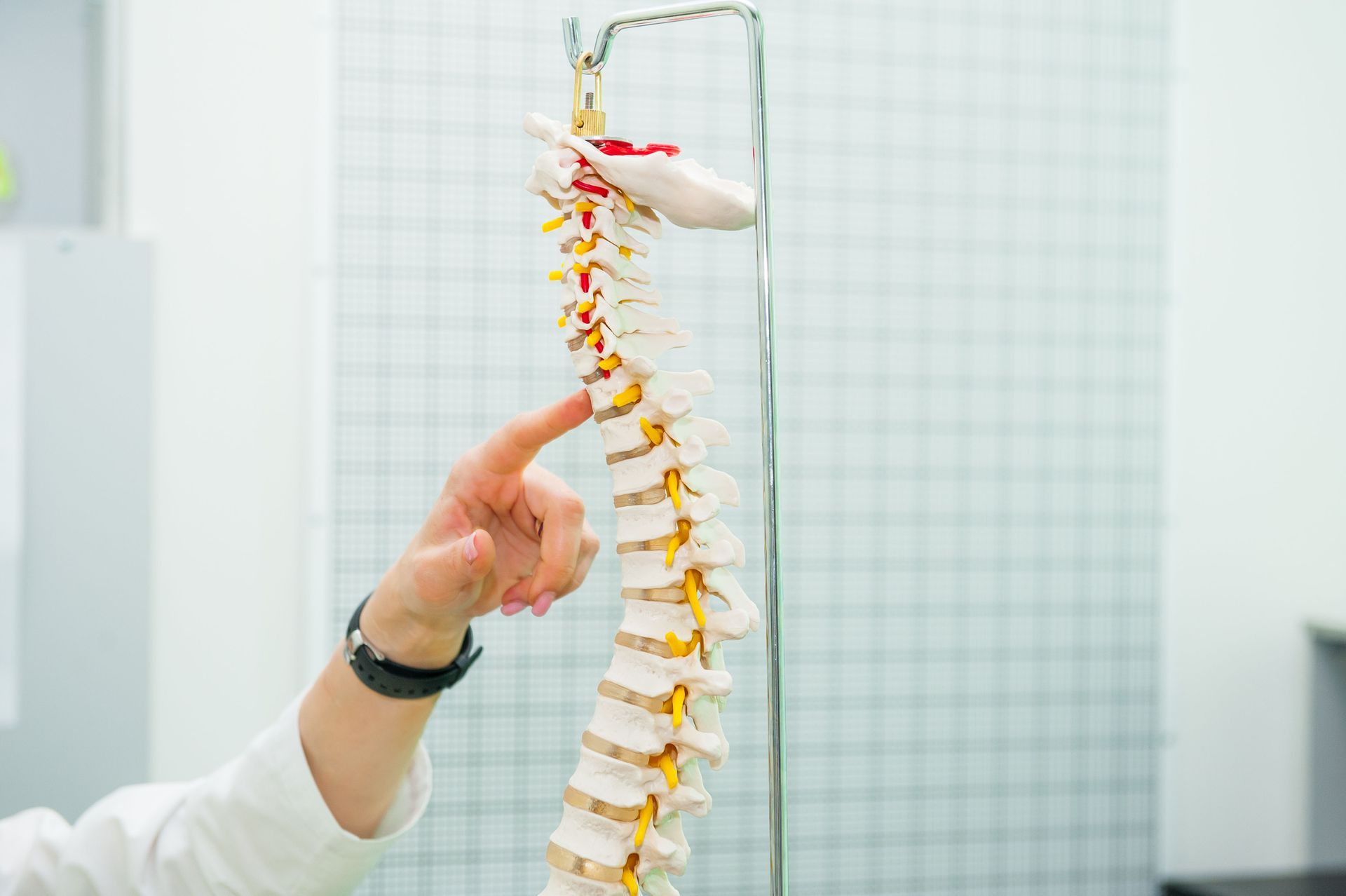
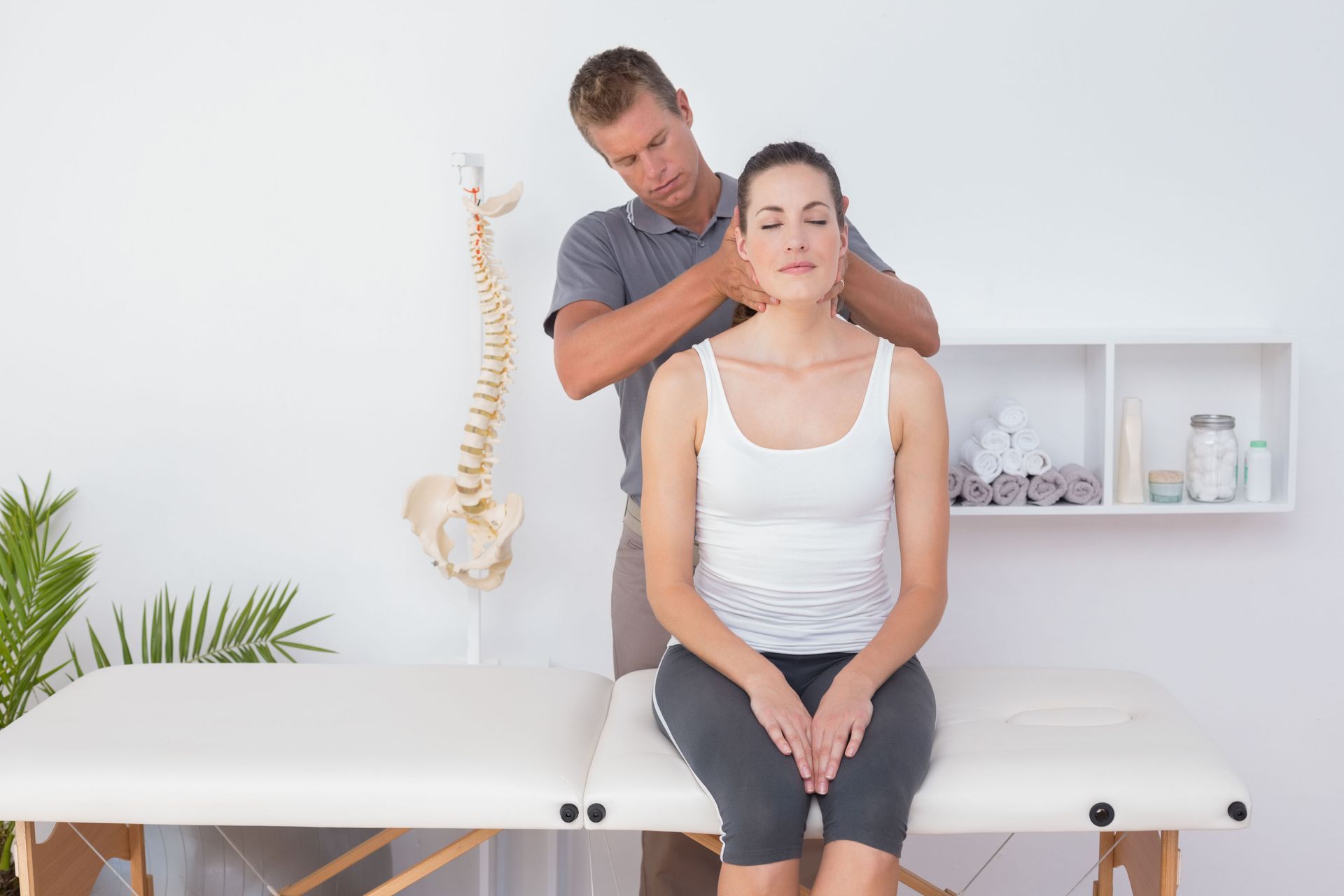
Chiropractic medicine functions as an advanced healthcare discipline centered entirely on the direct, delicate relationship between the structural alignment of the spinal column and the overall performance of the human nervous system. The brain communicates with every organ, muscle, and tissue in the body through the complex highway of the spinal cord, which is protected by twenty-four moving vertebral segments. When individual vertebral segments experience localized displacement or functional fixity—known clinically as subluxations—the surrounding nerve pathways suffer mechanical compression, resulting in chronic back pain, radiating sciatica, or persistent tension headaches. Rather than masking these physical symptoms with short-term pharmaceuticals or invasive surgeries, a certified local chiropractor uses precise manual adjustments to restore uniform segment mobility, safely relieving neuro-structural interference.
Modern clinics complement traditional manual manipulation with an array of advanced physiological techniques tailored to specific diagnostic requirements. Depending on your structural condition, a clinician may utilize gentle instrument-assisted adjustments for precise joint mobilization, spinal decompression tables to relieve compressed lumbar discs, or customized myofascial release to reduce deep soft-tissue tension.
2. Metrics and Financial Frameworks
Selecting a premier healthcare partner requires a comprehensive, uncompromising look at a clinician's academic and legal qualifications. You must confirm that a prospective provider holds a Doctor of Chiropractic (D.C.) degree from an institution accredited by the Council on Chiropractic Education, paired with active state licensure and a clean record with the local regulatory board. Verifying these baseline credentials ensures the clinic operates under strict public safety standards, completely protecting you from substandard treatment methods.
These professional protections are supported by an expanding medical landscape. According to IBISWorld, the market size of the chiropractors industry in the United States is $24.0bn in 2026. This immense economic footprint reflects the steady integration of spinal care into mainstream medical routines, ensuring competitive transparency across the healthcare field.
Furthermore, managing your physical rehabilitation requires a practical evaluation of your personal scheduling constraints and insurance coverage options. Because correcting chronic posture issues or recovering from an intense sports injury demands a consistent series of adjustments over several weeks, finding a convenient local chiropractor office location minimizes logistical friction and prevents skipped sessions.
3. Advanced Diagnostic Integration and Practice Philosophies
The final phase of finding your ideal practitioner involves assessing a provider's communication style and integrated diagnostics during an initial clinical consultation. A highly competent local chiropractor will never rush straight into manual manipulation; instead, they execute a detailed intake protocol that includes orthopedic reflex testing, digital posture analysis, and motion-palpation exams. Top-tier clinics utilize advanced on-site digital X-rays or request structural magnetic resonance imaging (MRI) scans to precisely map out your internal bone geometry, safely identifying underlying disc degeneration or structural anomalies before applying any physical force.
This meticulous diagnostic methodology must run in lockstep with a comprehensive, multi-modal treatment philosophy. You should seek out a local chiropractor who actively combines manual structural alignment with targeted rehabilitation exercises, specialized posture correction protocols, and evidence-based ergonomic advice. Partnering with a progressive clinician who prioritizes patient self-care empowers you to actively strengthen weak core muscle groups and stabilize your joint pathways at home. This collaborative, science-driven approach transforms temporary symptom relief into long-term functional performance, safely shielding your spine from future operational injury.
4. Patient Communication Styles and Office Environments
An often overlooked but vital component of excellent healthcare from a local chiropractor office is the overarching communication style and relational empathy displayed by your practicing clinician. Chiropractic care requires open, ongoing dialogue regarding your pain thresholds, daily functional limitations, and recovery expectations. During your initial consultation, evaluate whether the doctor listens actively without interruption and explains complex spinal pathologies in clear, accessible language rather than dense medical jargon.
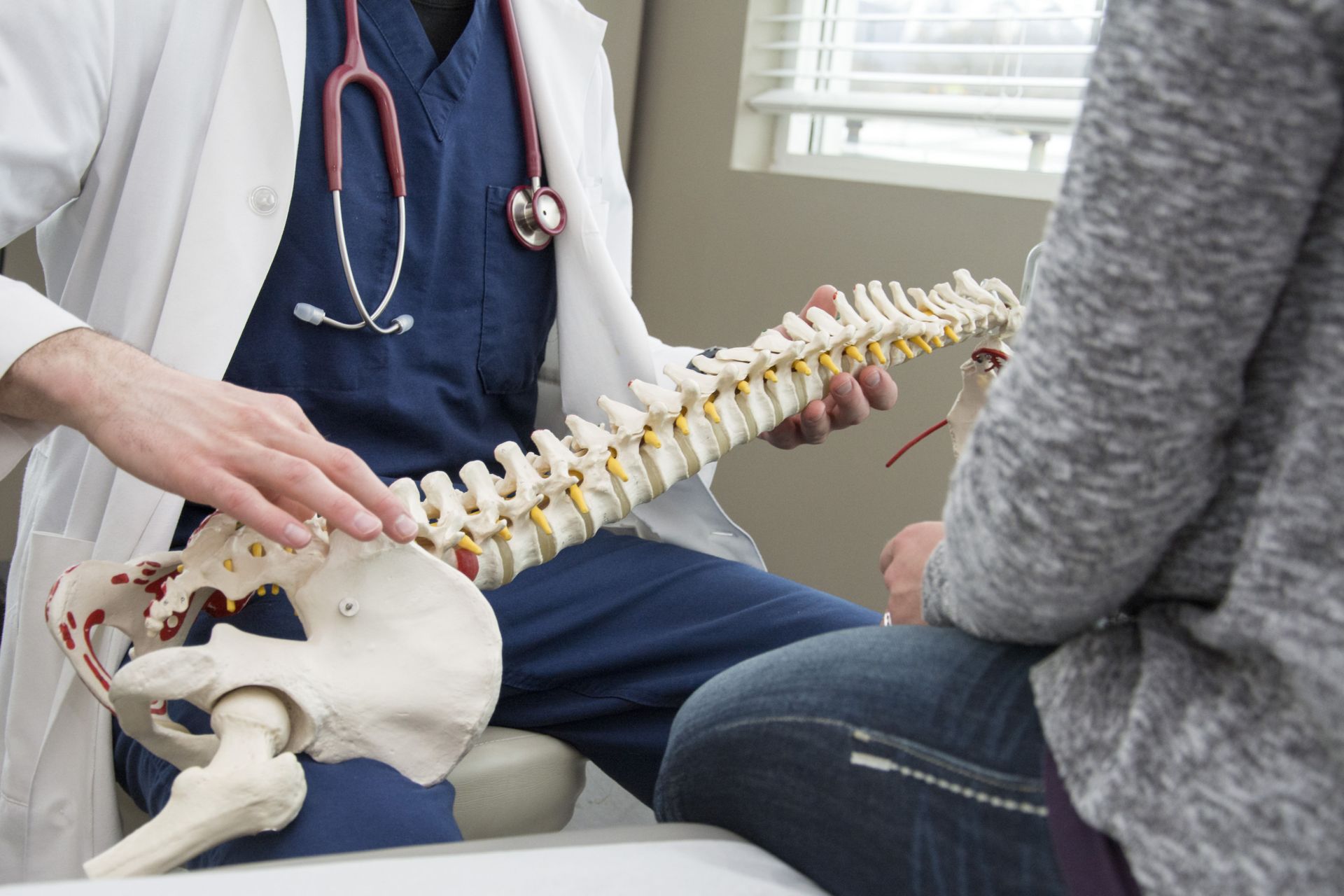
A premier provider acts as an educator, walking you through your imaging scans point-by-point to ensure you fully comprehend the root cause of your physical distress. This collaborative communication style builds a transparent environment where you can easily voice concerns, ask questions, and actively participate in your rehabilitation journey.
This professional clarity should extend directly to the physical environment and administrative operations of the practice. Pay close attention to the cleanliness, organization, and technological modernization of the treatment rooms and common areas. Highly professional offices run on structured scheduling systems that respect your time, minimizing prolonged waiting room delays while ensuring the support staff interacts with you in a helpful, welcoming manner.
5. Integrative Wellness and Specialty Customization
As the field of conservative musculoskeletal care continues to evolve, the most successful health outcomes are achieved by practitioners who integrate alternative wellness treatments into their core adjustments. When researching potential clinics, inquire whether the provider offers complementary services such as custom orthotic casting, nutritional counseling, low-level cold laser therapy, or medical acupuncture.
Combining gentle spinal adjustments with targeted lifestyle modifications maximizes the body's natural healing rates, offering a comprehensive, holistic approach to pain relief that strengthens your immune system and lowers systemic inflammation.
Prioritizing an objective, multi-point selection process is a mandatory requirement for securing safe, highly effective neuro-structural spinal healthcare. By using a disciplined vetting framework to evaluate professional board certifications, advanced diagnostic imaging systems, and multi-modal treatment methods, you can easily separate generic providers from master-level manual clinicians. Committing to an age-appropriate, customized treatment schedule with a leading specialist eliminates the physical drag of chronic joint inflammation, safeguards your nervous system function, and increases your daily physical mobility.
As the national demand for evidence-based chiropractic solutions continues to climb, choosing a qualified practitioner remains the definitive strategy for turning complex structural corrections into a lifelong foundation of health, activity, and complete physical vitality.
When your neurological safety, spinal cord protection, and structural mobility are on the line, relying on unverified internet wellness fads or non-certified practitioners can lead to severe muscle strains, unresolved joint fixations, and prolonged nerve compression. True biomechanical restoration demands comprehensive orthopedic diagnostics, pristine clinical facilities, and factory-certified adjustment technologies. To ensure your skeletal alignment and physical performance are managed with the highest tier of scientific accuracy and customized patient care, schedule your comprehensive multi-point spinal evaluation with the certified local chiropractor at Spine & Sport Health.